


Three Lawrence Livermore physicists have been selected as 2021 fellows of the American Physical Society.
Science and Technology
in the News
Science and Technology
in the News
News Center
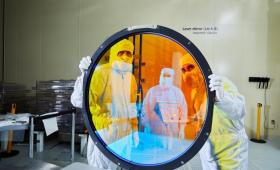
Livermore has shipped the last of six optical filters for the Vera C. Rubin Observatory telescope’s camera.
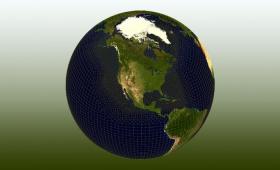
Version 2 of the Energy Exascale Earth System Model (E3SM2) is significantly faster than its predecessor and was released to the broader scientific community on September. 28.
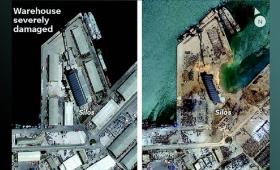
A Livermore physicist reconciles the yield estimates of the explosion that destroyed a significant part of Beirut's harbor.
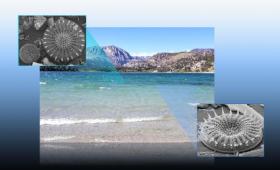
Climate change has significantly impacted the natural systems of the Sierra Nevada, including the mountain lakes that are an iconic part of California’s natural beauty.
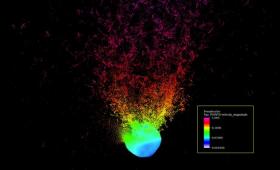
New research examines how different hypothetical asteroid orbits and fragment velocity distributions affect the fate of the fragments on a collision course with Earth.
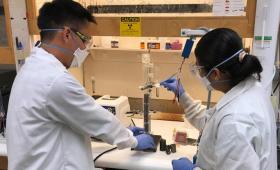
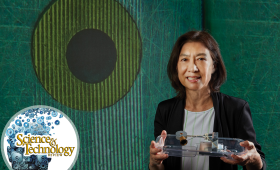
A Laboratory awards program offers advancement for scientific leaders who choose the research track over the management ladder.
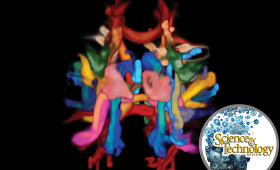
Data processing workflow tools developed by Livermore scientists reveal the multifaceted nature of traumatic brain injury.
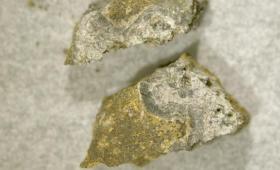
Livermore research hints at expanded region of planetary formation during the solar system's formation.