



Research shows that two-thirds of the increase in vapor pressure deficit, an indication of fire weather, in the western United States is due to human-caused climate change.
Science and Technology
in the News
Science and Technology
in the News
News Center

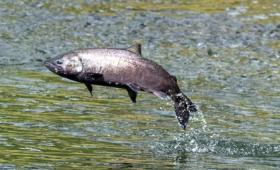
A Multi-institutional team of researchers found that late-migrating fish that spend a year in their home streams as juveniles leave in the fall and arrive in the ocean larger and more likely to survive their years at sea.

First in a series of articles describing aspects of the National Ignition Facility’s record-breaking 1.3-megajoule experiment.
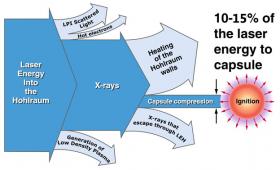
Second in a series of articles describing aspects of the National Ignition Facility’s record-breaking 1.3-megajoule experiment.
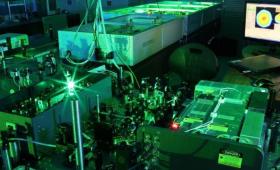
Livermore scientists and engineers have collected three awards among the top 100 industrial inventions worldwide.
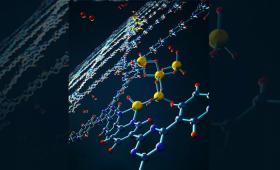
Researchers are exploring the use of metal hydrides to reversibly release and uptake hydrogen under mild conditions.
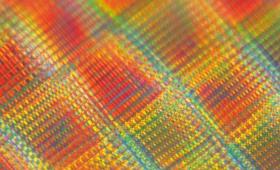
Livermore scientists have created nanostrut-connected tube-in-tubes that enable stronger low-density structural materials.
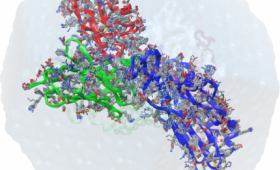
Livermore has joined the international Human Vaccines Project to accelerate vaccine development and understanding of immune response.
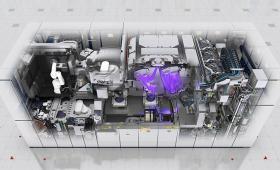
The microprocessors at the heart of an increasing number of the world’s newest mobile phones and personal computers were made possible in part by Livermore research.